Storm damage doesn’t need to mean panic. But it does mean paperwork, decisions, and a process that most homeowners experience only once or twice in their lives. In Episode 16 of The Under Construction Podcast, Erik and Tanya take a deeper look at what happens after you suspect hail or wind damage, including how claims are reviewed, what paperwork to expect, the differences between policy types, and how to avoid signing something you don’t understand.
If you’re looking for an overview of what counts as hail damage, check out our companion guide, Hail Damage 101: What Homeowners Should Know Before Filing a Claim. This guide picks up where that one leaves off, after you decide a claim might be necessary.
Who Do You Call First?
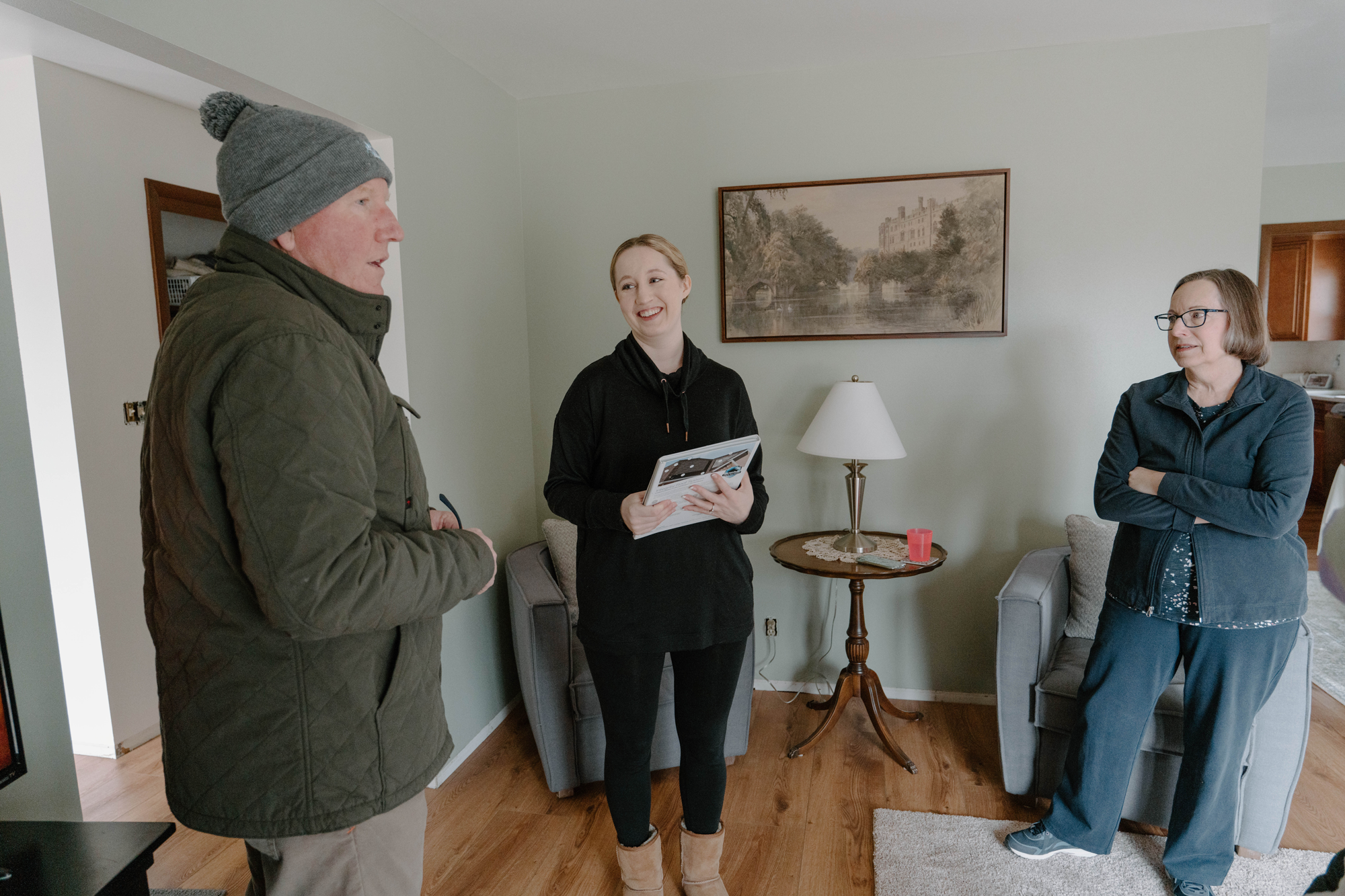
When a storm hits, homeowners typically choose one of two paths:
- Call the insurance company, which will assign an adjuster.
- Call a reputable local contractor who can confirm whether there’s legitimate damage before you open a claim.
There’s no universal rule. As Tanya explained on the podcast, every carrier has its own workflow. Some want the roofer involved early, others prefer to inspect first. The most important thing is simply starting with someone trustworthy.
Big Fish Contracting is always willing to:
- Perform a free assessment before you file
- Meet your adjuster on-site
- Ensure the inspection and paperwork processes are accurate
Processes vary not just between carriers, but sometimes even between adjusters, and Big Fish is happy to provide reliability and consistent communication.
A Caution Every Homeowner Should Hear: Don’t Sign Anything Too Soon
One of the most important themes in this episode is the contingency agreement, a contract that storm-chasing companies often use to pressure homeowners into signing on the spot.
The truth: A contingency agreement is not required for an inspection.
Storm chasers often claim:
- “The adjuster is not your friend.”
- “If you don’t sign now, your insurance company will take advantage of you.”
None of this is true. A contingency agreement actually binds you to that contractor if the claim is approved. If you sign it too early, you may be locked into:
- Low-quality materials
- Poor warranties
- A company you know nothing about
- Crews you never met and can’t contact after the work is done
Big Fish also uses contingency agreements, but only after materials, warranties, and expectations are clearly explained. Not before.
Never sign a contingency contract until you genuinely want to work with the contractor and fully understand what you’re agreeing to.
What Happens After You File a Claim
Once a claim is submitted and damage is confirmed, the adjuster produces a detailed document called a scope of work or adjustment summary. This packet is usually 15-20+ pages of codes, line items, and pricing pulled directly from industry software.
Homeowners often feel intimidated when they open it, and that’s normal.
Your scope of work will include:
- Every item the adjuster found damaged
- What your policy covers
- Line-by-line pricing
- Your deductible
- How depreciation applies (if it does)
This document is crucial because your contractor works off this scope, not a project bid. If you’re feeling confused or overwhelmed, ask your contractor to walk you through it. They should always be willing to help and explain anything that’s unclear.
Why Prices Are the Same Across Contractors for Insurance Work
This surprises most homeowners: when it comes to insurance claims, contractors don’t “bid” against each other.
Why? Because insurance carriers use a pricing software that sets the cost of materials and labor based on your ZIP code. That means:
- A bundle of shingles has the same value whether your carrier is State Farm or American Family.
- Contractors aren’t naming their own prices.
- The cost adjusts only when the scope changes (such as steep-roof charges or additional damage).
This is why sharing your paperwork with your contractor is essential. It allows them to verify whether the adjuster included everything needed to complete the job properly.
RCV vs. ACV: Know Your Policy Before You File
There are two types of insurance policies when it comes to storm damage:
-
Replacement Cost Value (RCV)
Covers the full replacement cost of the roof, minus your deductible.
-
Actual Cash Value (ACV)
Provides only the depreciated value of your roof. If your roof is older, you may receive only a fraction of the replacement cost.
Carriers, especially in Wisconsin, are shifting toward ACV for roof coverage. Some carriers even send letters during renewal cycles notifying homeowners of this change.
If you have an ACV policy, you may end up paying thousands out of pocket, which means:
- You should get real bids.
- Know your numbers before filing.
- Choose a contractor carefully.
Supplements: Why Claims Can Take Time
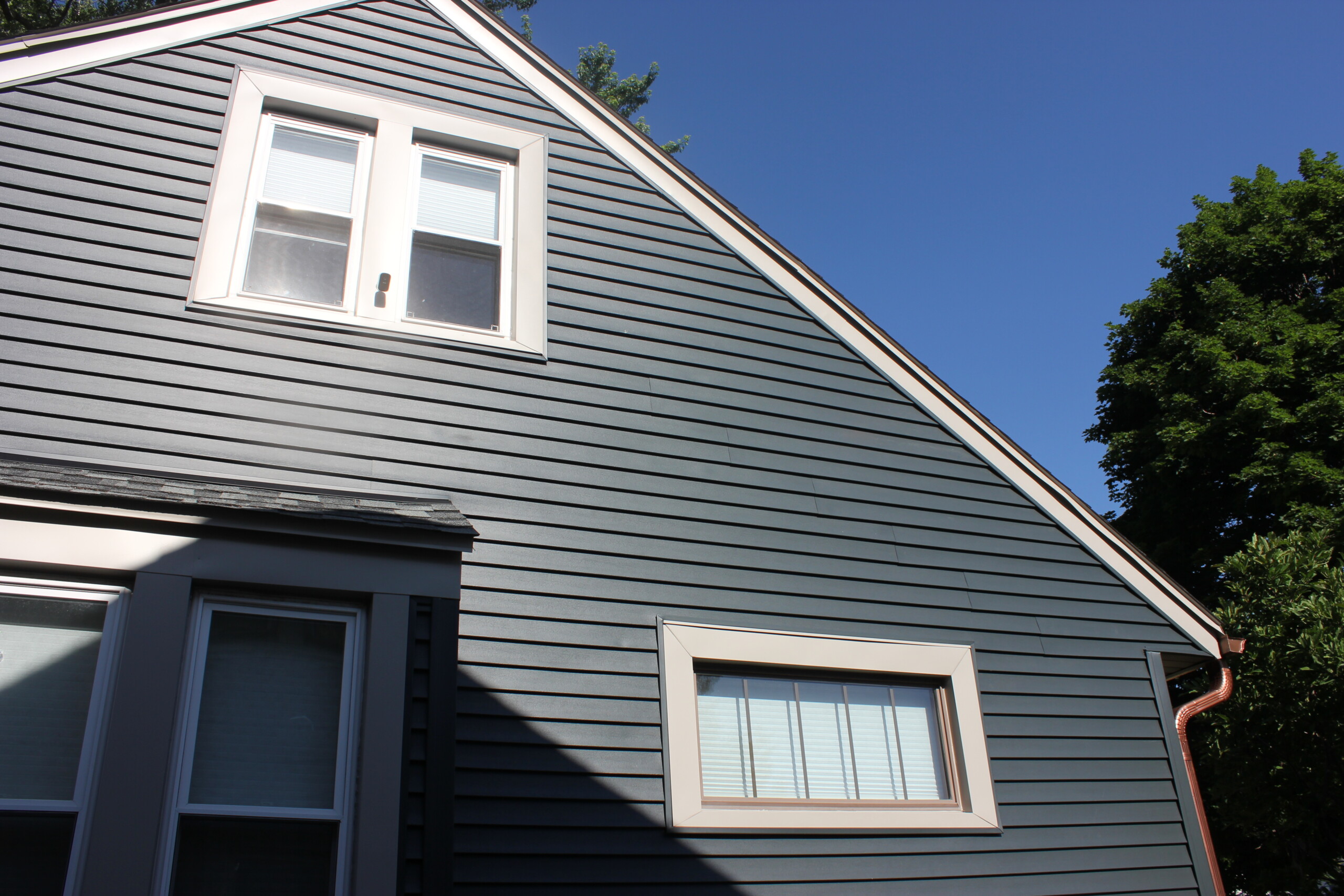
Even good adjusters can miss damage, because they’re human, busy, and covering large territories during storm season. Big Fish conducts a second inspection on every claim to ensure nothing was overlooked.
Commonly missed items include:
- Screens
- Window frames
- Mailboxes
- Fence posts
- Window well covers
- Garage doors
- Detached structures
- Steep roof charges
- Additional siding elevations
When something legitimate is missing, your contractor submits a supplement, a request to the insurance company to update the scope. This back-and-forth takes time, but it protects the homeowner from paying out of pocket for damage the carrier should cover.
Choosing a Roofing Contractor for Hail Damage
Whether you file an insurance claim or not, look for a roofing contractor who:
- Is genuinely local
- Has years (not months) of presence in the community
- Understands insurance paperwork
- Uses their own trained crews
- Provides clear materials, warranties, and expectations
- Encourages questions instead of discouraging them
Remember to always take your time and ask questions. Don’t rush because someone is standing on your porch with a clipboard.
Need Help Understanding Your Claim or Policy?
If you believe your home has storm damage, or if you have a claim in progress and want a second look, the Big Fish team is here to help.
Contact Big Fish Contracting today to schedule an inspection or review your policy with a team that knows the process inside and out, and will be here long after the storm chasers leave town.
Further Reading on Hail Damage, Roof Repairs, and Insurance Claims