
Buying or renovating a home is exciting. It is also one of the biggest financial decisions most people will ever make. When things go wrong, they can go very wrong.
In episode 41 of Under Construction: Renovating a Home, Redeeming an Industry, Erik and Tanya react to real homeowner horror stories submitted by the public. These are not Big Fish customers. They are real situations homeowners have lived through, and each one offers a lesson worth learning before you sign a contract or start a project.
Some stories are frustrating. Some are shocking. A few are almost unbelievable. All of them highlight the importance of doing your homework and knowing where problems tend to hide.
When DIY Repairs Make Things Worse
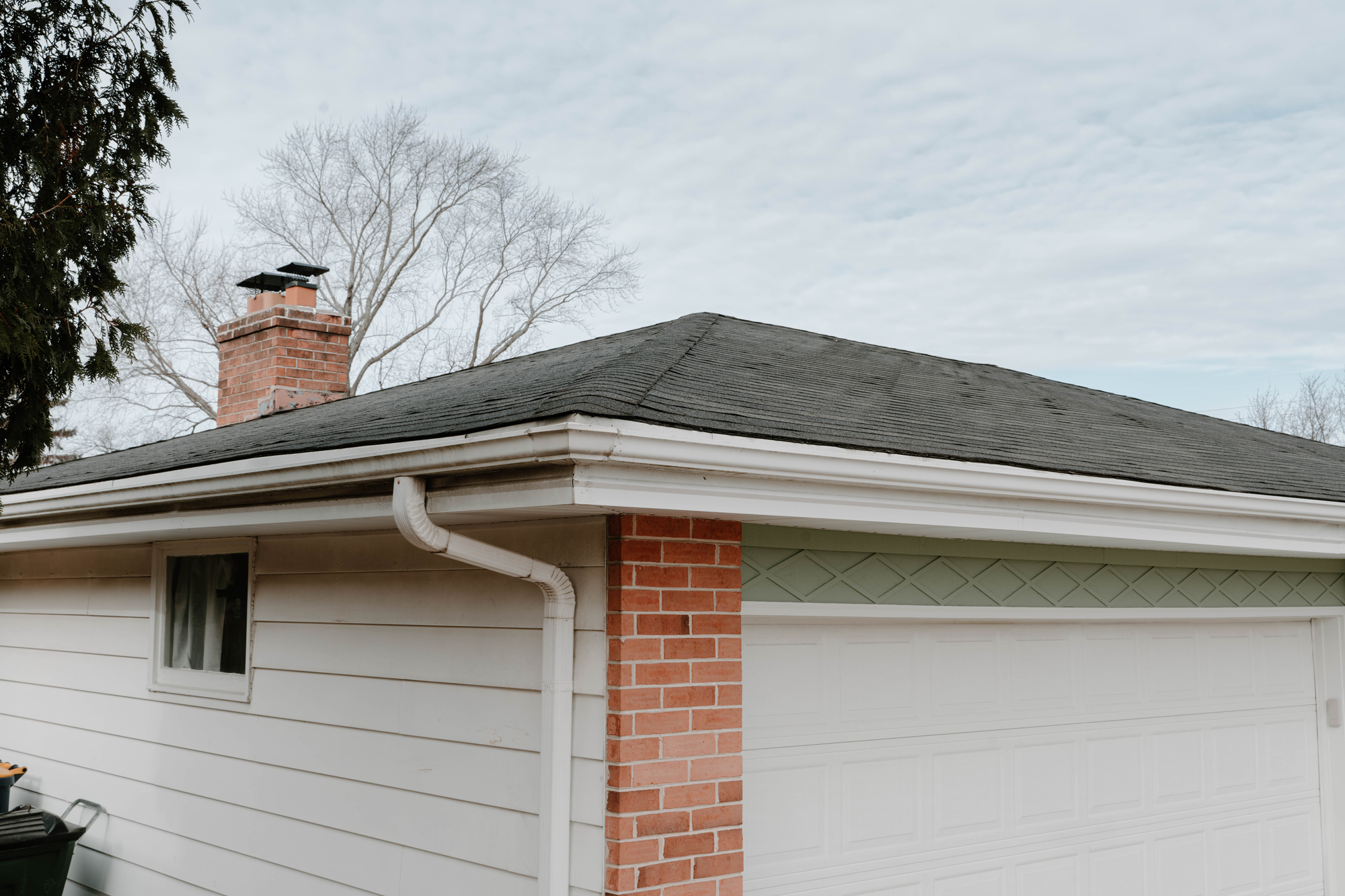
One homeowner shared a story about a leaky chimney that was “fixed” by installing flashing before the roofing materials. Instead of directing water away, the repair funneled water directly under the shingles and into the roof sheathing.
This is a common issue we see when homeowners or inexperienced contractors attempt technical roof repairs without understanding how water actually moves across a roof.
THE LESSON: Some repairs look easy but require experience. Chimney flashing is one of them. Flashing around chimneys and roof transitions must be layered correctly, or it will fail every time.
The Dangers of a Shoddy Flip
Several stories centered around flipped homes that looked great on the surface but hid serious problems underneath.
One homeowner stepped through a carpeted bedroom floor and discovered a large hole that had been covered with thin wood and carpet. Another family backed out of a home after discovering basement mold, a buried oil tank, and, during the final walkthrough, a flooded basement.
THE LESSON: Flipped homes can be visually appealing, but speed and profit often take priority over long-term quality. Paint and flooring can hide a lot, but they cannot fix structural or moisture issues.
If you are buying a flip, be especially cautious. The prettiest homes can sometimes hide the most significant problems.
Why Home Inspections Are Not the Final Word
After years of working alongside home inspectors, we’ve learned that while inspections are helpful, they have limitations. Inspectors cannot remove walls, pull siding, or see behind finished surfaces.
In some cases, inspectors may also feel pressure not to derail real estate transactions. Contractors, on the other hand, view homes differently.
THE LESSON: A trained contractor can often spot red flags based on exterior details, roof transitions, drainage patterns, and installation methods. This is why Big Fish encourages buyers and sellers to involve experienced contractors when reviewing inspection reports or evaluating properties.
Moisture Is the Root of Many Nightmares
Water damage showed up again and again in these stories.
One homeowner woke up to water pouring through their fireplace. Another discovered that a shower drain emptied directly into the crawl space, causing severe mold growth. One of the most serious stories involved hidden foundation damage and toxic mold levels well above safety limits, resulting in an ongoing lawsuit.
THE LESSON: Moisture problems are often invisible until they are severe. Roof-to-wall transitions, chimneys, crawl spaces, basements, and bathrooms are common failure points. If something smells musty, feels damp, or has been freshly covered up, it deserves closer inspection.
When Shelving Reveals Bigger Problems
One homeowner removed shelves throughout their home and discovered hundreds of holes drilled randomly into plaster walls. The previous owners had drilled repeatedly until they hit studs, instead of using anchors or a stud finder.
THE LESSON: While this story is more humorous than dangerous, it highlights how improper installation methods can cause unnecessary damage and expensive repairs. Drywall anchors and proper tools exist for a reason.
Extreme Cases and Legal Consequences
One of the most serious stories involved concealed toxic mold and foundation damage that had been intentionally covered up before a sale. The new homeowners discovered the issues after moving in and are now engaged in a lawsuit seeking hundreds of thousands of dollars.
Concealing known defects is illegal, but it still happens. Unfortunately, legal battles take years and cost significant money, even when homeowners are in the right.
THE LESSON: Transparency and proper disclosures matter, and trusting the right professionals is critical.
What All These Stories Have in Common
Every story in this episode points back to the same truth. Most home disasters start with something hidden.
Problems often exist behind walls, under floors, or beneath roofing materials. The most significant issues are rarely cosmetic. They are structural, moisture-related, or installation failures that take time to reveal themselves.
In the podcast episode, Erik and Tanya emphasize that almost anything can be fixed. The real challenge is knowing what you are walking into and whether you are prepared for it.
How Big Fish Approaches These Situations

When Big Fish is asked to review a home or inspection report, the approach is straightforward and objective. There is no bias toward buyers or sellers. Our goal is to explain what exists, what needs immediate attention, and what can be planned for in the future.
Not every issue is a deal breaker. Sometimes the right house in the right location is worth future repairs. Other times, walking away is the best decision.
Education allows homeowners to make those choices with confidence.
Need a Second Set of Eyes?
If you are buying, selling, or renovating a home and want an honest, experienced perspective, the Big Fish team is here to help.
Contact Big Fish Contracting to review inspection findings, assess exterior conditions, or walk a property with a contractor who understands where problems tend to hide and how to fix them the right way.