Winter in Wisconsin brings snow-covered roofs, frozen gutters, and, if you’re unlucky, ice dams. When you notice water stains or dripping from the ceiling, it’s easy to assume the worst. But as we like to remind homeowners, water is just water. It’s not an emergency.
Ice dams happen, and with the right knowledge, they can be prevented, managed, and repaired. In this episode of Under Construction: Renovating Homes & Redeeming An Industry, Tanya and Erik broke down what causes ice damming, when to take action, and how to protect your home for the rest of winter.
What are Ice Dams?
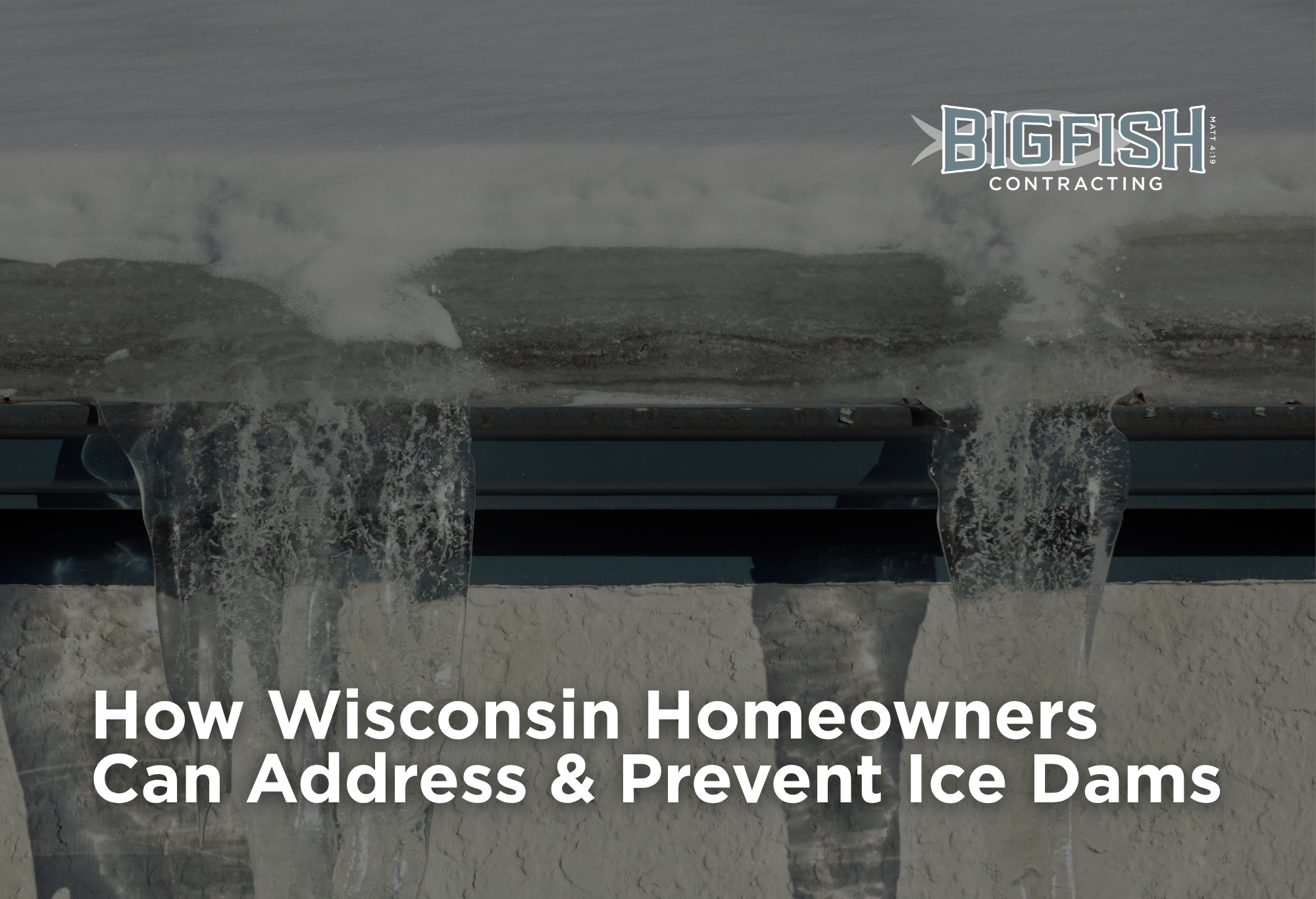
Ice dams are ridges of ice that form along the edge of your roof, typically near the gutters or soffit. As snow melts from the warmer areas of your roof and refreezes at the colder edges, it can trap more melting snow behind it, forming a “dam.” This trapped water can seep under shingles or into soffits, causing leaks and water damage inside your home.
How Do Ice Dams Form on Wisconsin Homes?
Ice dams form when heat escapes from your home into the attic, warming the roof and melting the snow above heated areas, such as kitchens and bathrooms. The meltwater then runs down the roof to the unheated eaves and refreezes, creating layers of ice that accumulate over time.
Common causes include:
- Poor attic insulation or ventilation
- Heat escaping around can lights or bathroom vents
- Warm, humid air trapped in attic spaces
- Rapid temperature fluctuations (warm days, freezing nights)
“In a perfect attic,” Erik explains, “it’s the same temperature in your attic as outside. That means all your conditioned air is staying where it should: inside your living space.”
What Happens When Ice Dams Are Left Untreated?
If ignored, ice dams can force meltwater beneath shingles, leading to:
- Ceiling or wall stains
- Damaged drywall or insulation
- Rotting soffits or fascia boards
- Mold or mildew growth
- Gutter damage
While these issues look serious, they’re all fixable. At Big Fish Contracting, we often reassure homeowners that anything is fixable. Drywall and paint can be repaired. The key is to get things dry and address the root cause in the spring.
How Do I Fix Ice Damming?
Once ice damming has begun, you may have to wait until spring to fully remove and fix the problem that led to ice damming. You should always wait to repair inside water damage until everything is completely dry, and never try to chip away at ice that has formed on your roof.
Roof Raking: A Safe, Short-Term Solution
When snow piles up, roof raking is one of the safest ways to reduce the risk of ice dams forming. By removing snow from the lower few feet of the roof, you reduce the amount of meltwater that can refreeze at the eaves.
Roof Raking Tips:
- Use a roof rake from the ground. Never climb onto an icy roof.
- Only clear the first 2–3 feet from the roof edge where dams form.
- Avoid scraping shingles or flashing to prevent damage.
“Roof raking helps. It never hurts,” Erik notes. “Just don’t be too aggressive. You’re not trying to get every last bit of snow, just enough to keep water flowing off the roof.”
Long-Term Prevention: Built Right the First Time
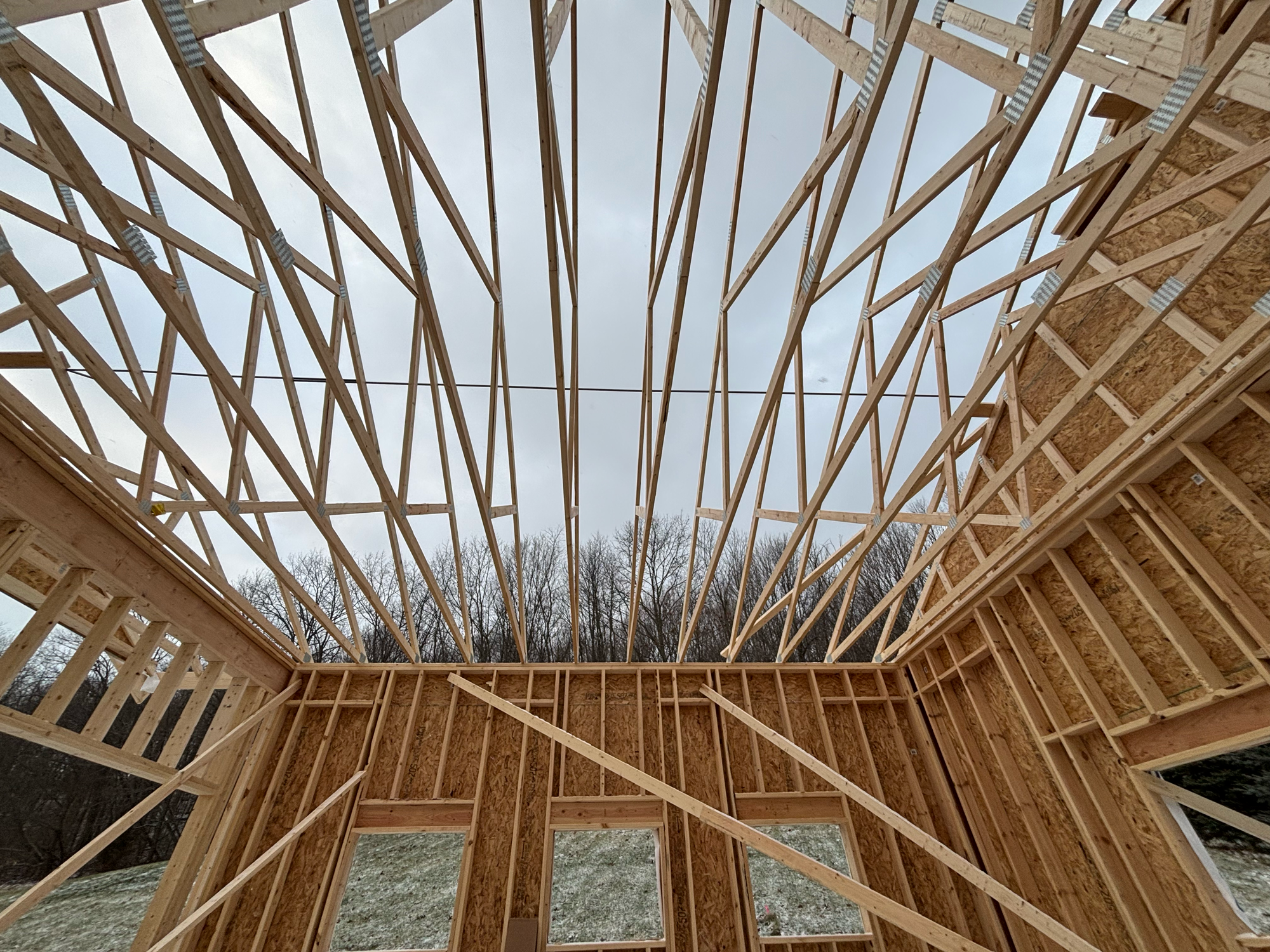
While roof raking can help in the short term, the best defense against ice damming starts long before the first snowfall, with a properly designed and installed roof. At Big Fish Contracting, we take extra steps during installation to make sure your home is ready for whatever Wisconsin weather brings.
Ice & Water Shield
This adhesive underlayment is applied to the most vulnerable areas of the roof, typically the first six feet from the eaves, under valleys, and around transitions. It seals to the decking, creating a watertight barrier that keeps meltwater from seeping beneath shingles and into your home.
Sealed Fascia & Gutter Protection
When installing new gutters, our team wraps the ice and water shield down onto the fascia before the gutters are mounted. This prevents water from climbing behind the gutter and infiltrating the soffit, a common weak point on many homes.
Custom & Oversized Flashings
North-facing roofs and shaded valleys tend to collect more ice. To protect these areas, we use oversized or custom-fabricated flashings that direct meltwater away from seams and joints, keeping it on the outside where it belongs.
Together, these details form a roofing system designed not just to withstand average winters, but to handle the freeze-thaw cycles, heavy snow, and ice buildup Wisconsin homeowners know all too well.
Don’t Panic, Plan Ahead
Ice damming might look intimidating, but it’s a normal part of Wisconsin winters. The key is prevention, not panic. Stay safe, stay off icy roofs, and when in doubt, call Big Fish Contracting for expert guidance.
If you’ve spotted signs of ice damming or want to prevent them before the next storm hits, give our team a call. Big Fish Contracting offers inspections, energy audits, and long-term roofing solutions designed for Wisconsin winters.