At Big Fish Contracting, transparency is one of our core values. We believe that you deserve all of the information as a homeowner, and we’re prepared to be your partner in navigating roofing, siding, and home renovations.
It’s long been our mission to redeem an industry. While navigating big decisions for their homes, we want homeowners to feel supported rather than manipulated. That’s why we prioritize education and empathy above all else.
In episode 52 of the Under Construction: Renovating a Home, Redeeming an Industry podcast, Erik and Tanya discuss a few points we think homeowners should know, that most contractors aren’t willing to tell you.
When you’re planning a home project, one of the first questions on your mind is probably, “How much is this going to cost?” Whether you’re replacing a roof, updating siding, or starting a remodel, your budget matters.
Cost is often the biggest deciding factor when homeowners choose a contractor. But here’s the part that does not always get talked about clearly: the lowest quote at the beginning is not always the lowest cost in the end.
At Big Fish Contracting, we believe homeowners deserve honest conversations before they sign a contract. That includes transparency around pricing, budgets, timelines, materials, and the realities that can affect your project once work begins.
Why the Lowest Quote Isn’t Always the Best Quote
Getting multiple bids is a smart part of the contractor selection process. It helps you understand the market, compare options, and feel more confident before making a major investment in your home.
However, not every quote is built the same way. Some contractors may keep the initial price lower to make the project more appealing, then add costs later once the work is underway.
That does not always mean something dishonest is happening, but it does make the process harder for homeowners. If one contractor includes necessary work upfront and another leaves it out until later, the lower quote may look cheaper on paper, but end up being more costly.
This is especially important for projects like siding, decking, windows, doors, and remodeling. These projects can involve details that aren’t always obvious at first glance, but they can significantly affect the final cost.
“Having that honest, transparent conversation at the very beginning, is going to save everybody a lot of time.” shared Erik Dieringer on the Under Construction podcast.
For example, if a siding project requires soffit and fascia work, we want to discuss that early. If a deck is going to cost more than expected because of materials, structure, or size, we would rather explain that before a homeowner signs anything, than force you into upcharges once the deal is made.
Why Contractors Ask About Your Budget
Many homeowners are hesitant to share their actual budget with a contractor. That makes sense, especially if you have ever felt pressured, upsold, or unsure whether someone was giving you their best price.
But for us, knowing your budget is not about trying to use every dollar. It is about helping you understand what is realistic and how to get the most value out of the money you have available.
No matter how much you have set aside, that information helps guide the conversation. We can talk through priorities, material options, project scope, and areas where it may make sense to adjust.
Sometimes a homeowner has a specific product or finish in mind, but the full project budget does not allow for it everywhere. In that case, we may be able to recommend an alternative product, use a premium material as an accent, or find another way to create a similar look without stretching the budget too far.
A realistic budget helps create realistic expectations. It also helps prevent the disappointment that can happen when a homeowner gets excited about a project vision, only to find out later that the numbers do not line up.
The Problem with High-Pressure Sales Tactics
One reason homeowners are cautious about sharing their budget is because high-pressure sales tactics are still common in the construction industry. Many people have heard things like, “This price is only good today,” or “If you sign right now, we can take thousands off.”
That kind of approach creates confusion. If a contractor can offer a lower price today, it’s fair to wonder why that same price would not be available next week.
At Big Fish, that’s not how we want homeowners to feel. A home project is a major decision, and you should have time to ask questions, review the scope, compare options, and choose the contractor you trust.
A quote should be clear because the contractor has taken the time to understand your project. It should not feel like a countdown clock designed to rush you into signing.
Why Timelines Can Be Hard to Guarantee
After cost, timing is usually the next major concern. Homeowners want to know when their project will start, how long it will take, and what they should expect once they are on the schedule. Those are totally fair questions, but timelines can be difficult to guarantee. In Wisconsin, exterior projects are heavily affected by weather, especially during the winter and spring months.
“The weather in Wisconsin can be very unpredictable at times,” shared Tanya Weltzin in the Under Construction podcast. “That is the driving thing for our schedule — it’s outdoor work. It is weather dependent.”
Rain, snow, freezing temperatures, and unexpected weather shifts can all affect when work can be completed safely and properly. Still, there are times when waiting is better than pushing forward with an install that may not meet the right standard.
Project timelines can also shift when a current job takes longer than expected. If hidden damage is discovered, additional repairs are needed, or weather slows down progress, the schedule behind that project may move too.
We know delays can be frustrating. But when we are working on your home, we are going to finish the job the right way before moving on to the next one.
Why Transparency Matters Before the Work Begins
A trustworthy contractor should help you understand what they know, what they do not know yet, and what could change once the project begins. Our contractors don’t have crystal balls to see into the future, and some challenges aren’t apparent until work starts.
Still, experience matters. A good contractor should be able to identify common issues, explain potential risks, and include known project needs in the quote whenever possible.
That is part of what you are hiring a professional to do. You are not just paying for labor and materials, but for guidance, communication, problem-solving, and the peace of mind that comes from working with a team that knows what to look for.
We believe it is our responsibility to help homeowners understand the full picture. That means being honest about costs, clear about timelines, and upfront about the decisions that may affect the outcome of the project.
Questions to Ask Before Signing a Contract
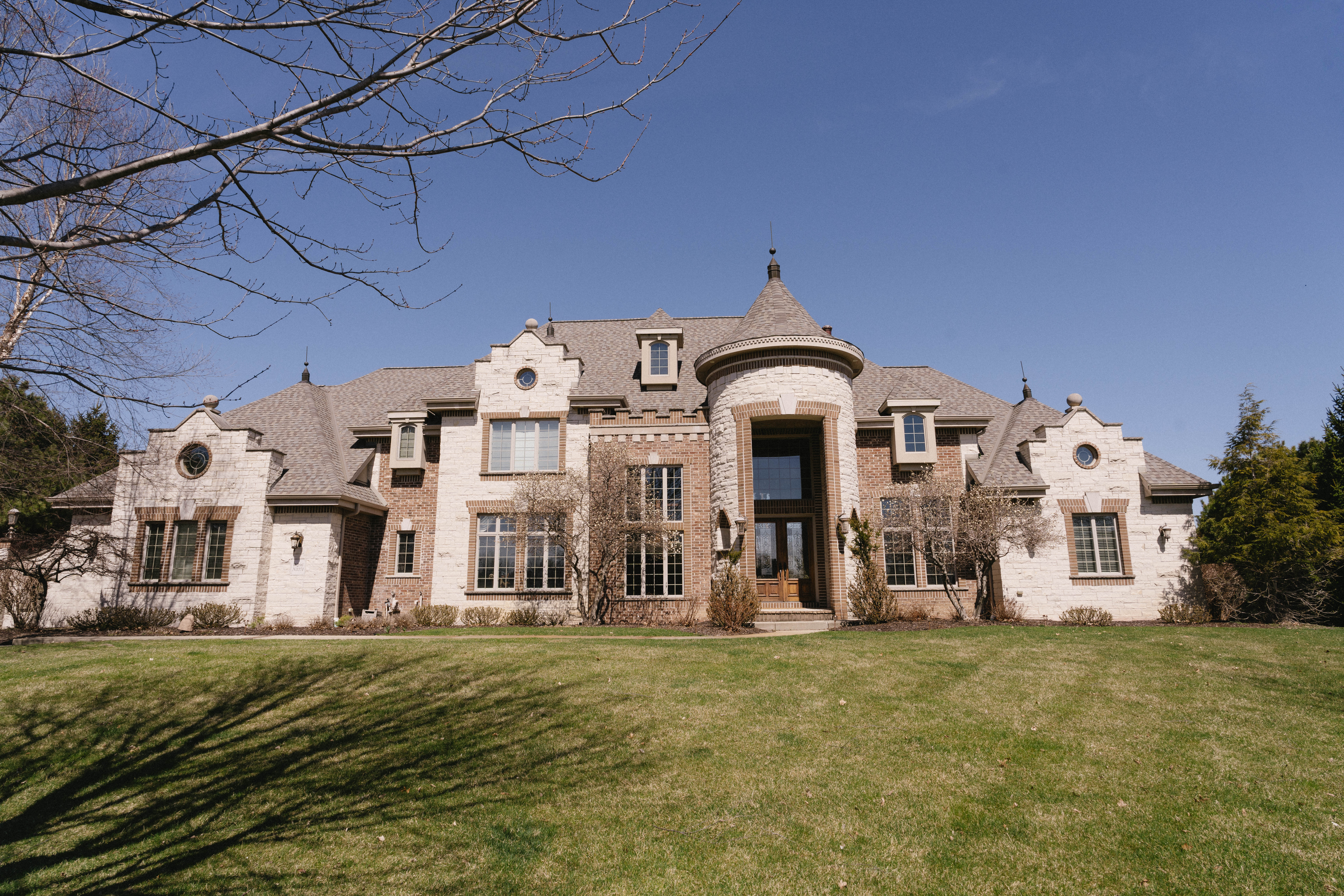
Before hiring a contractor, it is worth asking direct questions about the quote, timeline, and process. The right contractor should be willing to answer clearly and explain anything that feels confusing.
Here’s an easy list you can steal when vetting contractors:
- What’s included in the quote? Are there common costs that arise mid-project?
- How firm is the timeline? What factors could affect the schedule? How will the contractor communicate if something changes?
- What happens if unexpected damage or additional work is discovered?
- How does the contractor approach budgeting?
Understanding the process ahead of time can help you feel more prepared and less overwhelmed if something comes up. A good contractor should be able to help you understand your options without making you feel pressured into the most expensive choice.
The Bottom Line
Home improvement projects are a major investment, and you deserve to feel informed before you make a decision. A transparent quote may not always look like the cheapest option at first, but it can help protect you from stress, confusion, and unexpected costs later.
At Big Fish Contracting, we believe homeowners deserve more than a sales pitch. You deserve honest guidance, realistic expectations, clear communication, and a team that is committed to doing the job right.
Learn more about how we approach transparency in contracting in episode 52 of the Under Construction podcast or request a quote for your project.