Windows do more than bring light into your home. They influence airflow, energy efficiency, curb appeal, and everyday comfort. But with so many styles available, how do you know which ones make the most sense for your home?
In episode 6 of Under Construction: Renovating a Home, Redeeming an Industry, Big Fish Contracting’s Erik Dieringer and Tanya Weltson sit down with window expert Paul Unferth to walk through the most common window styles. From double-hung windows to awnings to picture windows, this guide helps you understand how each type functions and what homeowners should consider before making a choice.
If you have ever wondered whether you can swap out a double hung for a casement or why some windows perform better in cold weather than others, you will find the answers here.
Understanding the Basics: What Makes a Window Operate?
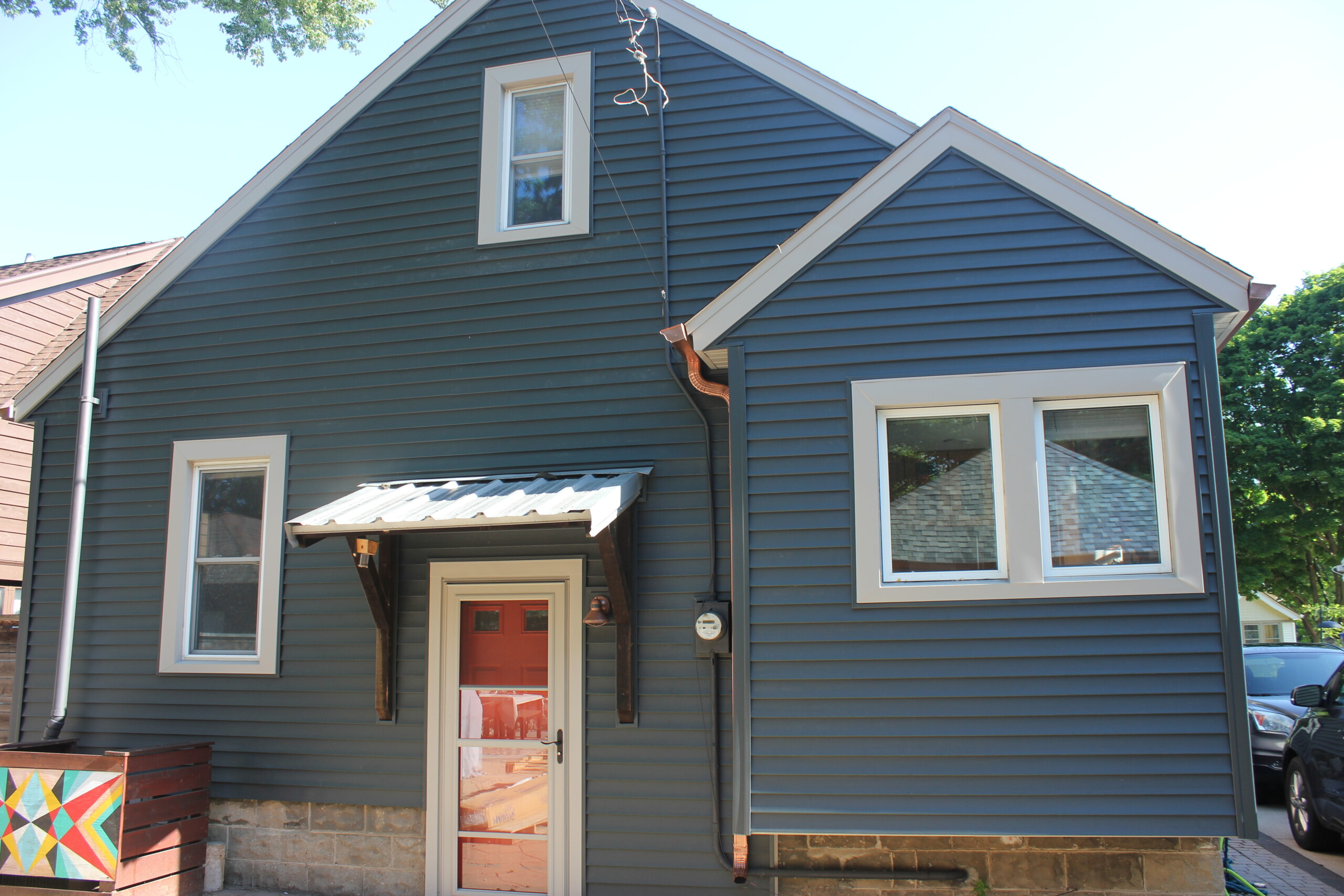
Before comparing window styles, it is helpful to understand the various parts. In simple terms:
- The sash is the part of the window that moves.
- The frame surrounds and supports the sash.
Casement windows operate like a small door. Double-hung windows move vertically. Sliders move horizontally.
These mechanical differences explain why certain styles perform differently or have size limitations.
Common Window Styles and How to Choose the Right One
Double Hung Windows
Double-hung windows are the classic residential window. Both sashes move up and down, which makes them flexible and easy to clean.
Best for: Traditional homes, two-story homes, ranch homes, bedrooms, and living spaces.
Pros:
- Works with many architectural styles
- Easy to operate
- Allows for wider openings, sometimes over 40 inches
Considerations:
- The meeting point between the two sashes (called the check rail) can allow slight air infiltration
- Can look more traditional unless grids are removed or simplified
Single Hung Windows
Single-hung windows look similar to double-hung windows, but only the bottom sash moves.
Best for: Cost-conscious projects or rooms where top ventilation is not needed.
Casement Windows (Crank Outs)
Casement windows open outward with a crank. They are known for excellent energy efficiency and clean views.
Best for: Modernizing a home, maximizing airflow, kitchens, rooms with scenic views.
Pros:
- Strong energy performance
- Clear sightlines
- Tight seal when closed
Considerations:
- Typically limited to about 36 inches in width
- Oversized casements require different hinging
- Might require modifying the opening if replacing a wide double-hung
Sliding or Gliding Windows
Sliding windows move side to side along a track. Think of a double-hung window turned on its side.
Best for: Wide openings, basements, contemporary spaces.
Pros:
- Simple operation
- Ideal for wide window spans
- Clean, modern appearance
Considerations:
- Slightly higher air infiltration compared to casements
- Usually, only one sash opens
Picture and Fixed Windows
These windows do not open. They exist to bring in natural light and expand your view.
Best for: Living rooms, staircases, vaulted spaces, or anywhere you want maximum light.
They can be paired with casements or double-hung windows to create a balance of beauty and ventilation.
Transoms and Specialty Shapes
Rounded windows, arches, circles, and custom shapes fall into this category.
Best for: Adding architectural interest or complementing doorways and larger window groupings.
Awning Windows
Awning windows open outward from the bottom, allowing ventilation even during light rain.
Best for: Over kitchen sinks, bathrooms, or as part of a larger window arrangement.
Grids and Grilles: What Purpose Do They Serve Today?
Grids once existed because glass could not be manufactured in large pieces. Each small square of glass was individually fitted into a wooden frame.
Today, grids are completely decorative. They are sealed between the panes and can be customized to achieve the desired look.
Popular styles include:
- Colonial grids (a classic square pattern)
- Prairie grids (grids on the perimeter that leave the center open)
- Top sash only grids (often used in newer construction)
Many homeowners modernize older homes by reducing or removing grids altogether.
Does Window Style Affect Energy Efficiency?

All modern windows perform well, but some styles naturally seal more tightly.
Casements Offer the Best Seal
Because the sash presses into the frame and locks tightly, casements typically outperform other styles in terms of air infiltration.
Double Hungs and Sliders Allow Slight Air Movement
Their operational design creates more opportunities for small amounts of air to move between components. This is most noticeable in extremely cold conditions.
Double Pane vs Triple Pane
Triple-pane glass reduces condensation and retains heat more effectively. Paul notes that although comfort improves with triple pane, the energy savings do not always offset the higher cost.
Condensation in Winter: What Homeowners Should Expect
On below-zero days, many Wisconsin homeowners notice moisture near the bottom corners of their windows. This phenomenon occurs in most homes and is particularly noticeable on double-hung windows, where the check rail meets the frame.
This does not usually indicate window failure. It is a combination of indoor humidity, outdoor temperature, and the natural physics of glass. Manufacturers like Pella provide helpful guides on managing household humidity and reducing condensation.
Can You Switch Window Styles?

One question Paul hears often is: “I have double-hung windows now. Can I switch to casements?”
The answer is often yes, but width limitations can come into play. Double-hung windows can be built much wider than casement windows. If the existing opening is too big for a single casement, you may need:
- A structural change
- A different configuration
- Or the addition of a mullion (a vertical divider)
This is why a professional review of your home is important before choosing a new window style.
Choosing the Right Windows Begins With Understanding Your Home
Every home is unique, and each homeowner’s goals are different.
It helps to understand the age of the home, the desired style, and what the homeowner is trying to achieve. From there, we can guide you toward the best options for longevity, comfort, and aesthetics.
Whether you want to modernize your exterior, improve airflow, reduce drafts, or replace aging wood windows, the right window style makes all the difference.
Ready to Talk Windows?
If you are planning a replacement project, refreshing your exterior, or trying to solve a comfort issue, the Big Fish team is ready to help.
Contact Big Fish Contracting today to schedule your window consultation and see firsthand how we’re renovating homes and redeeming an industry.