After a major storm, the first thing most homeowners notice is the obvious damage. Maybe there are marks on the siding, or a leak has started showing up inside the home. Then comes the bigger question: Is this something insurance can help cover?
In many cases, the answer is yes. If your roof, siding, gutters, windows, or other exterior materials were damaged by a storm, your homeowners insurance may help pay for repairs or replacement. Most standard homeowners policies include coverage for sudden, accidental damage from things like wind and hail, though the details always depend on your specific policy and the condition of the home before the storm.
Insurance isn’t designed to cover normal wear and tear, neglected maintenance, or materials that have simply reached the end of their useful life. But when a storm causes direct damage, the claim may open the door to necessary exterior repairs, and in some cases, a much larger exterior update than the homeowner expected.
Storm Damage Isn’t Always Obvious Immediately

Some storm damage is easy to spot from the ground. Missing shingles, broken windows, and gutters pulled away from the home are all signs that something needs attention quickly.
Other damage is less obvious and might not be visible to the untrained eye (especially from the ground). Hail can bruise shingles, dent soft metals, crack siding, or compromise exterior materials in ways that worsen over time. Wind can lift shingles without fully removing them, which may weaken the roof system even if everything still looks intact from the yard.
That’s one reason we always encourage homeowners to take storm damage seriously, even if the house seems fine at first glance. A small issue on the exterior can become a much bigger problem if water finds its way into the roof deck.
A professional inspection helps separate cosmetic concerns from functional damage. It also gives you a clearer understanding of what happened, what needs to be repaired, and whether it may be worth contacting your insurance company.
What Parts of Your Exterior Can Insurance Cover?
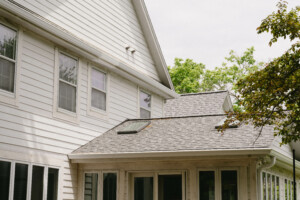
When people think about storm claims, they often think about the roof first. That makes sense because roofs take the brunt of hail, snow, and falling debris. But your roof isn’t the only part of your home that can be included in a storm-related claim.
Depending on the damage and the policy, insurance may help cover:
- Roofing shingles or other roof materials
- Siding damaged by hail, wind, or debris
- Gutters and downspouts
- Fascia, soffit, and trim
- Windows, screens, or exterior glass
- Decking or exterior structures
- Interior water damage caused by a covered opening in the home
For example, the Wisconsin Office of the Commissioner of Insurance explains that if a roof needs replacement because of a storm or another covered loss, the insurance company must pay for the cost to repair or replace the portion of the roof damaged by that covered loss, minus the deductible.
That doesn’t automatically mean every storm results in a full replacement. It does mean the damage should be carefully documented and reviewed so the repair scope reflects the actual impact of the storm.
Repair vs. Replacement: Why the Scope Matters
One of the biggest points of confusion in storm claims is the difference between repair and replacement. If damage is isolated to a small area, insurance may approve a repair.
However, if damage is widespread or the material can no longer perform the way it should, replacement may be necessary. The final determination depends on inspection findings, policy language, and code requirements.
A trustworthy contractor won’t promise that insurance will cover everything before the inspection and claims process happen. They should inspect, document, explain what they see, and help you understand your options without pressure or scare tactics.
What About Matching Materials?
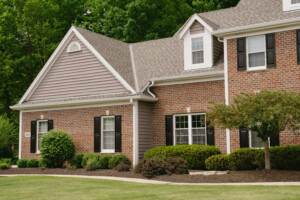
Matching is another common question after storm damage, especially with siding and roofing. Sometimes a damaged material has been discontinued, the color has faded over time, or replacing one section would leave the home looking patched together.
Whether insurance pays to replace undamaged areas for matching depends on your policy and available materials. In Wisconsin, standard homeowners coverage typically focuses on repairing or replacing the portion damaged by the covered loss, so matching isn’t something homeowners should assume is automatically included. Some insurers offer optional endorsements for matching siding.
That doesn’t mean you should ignore matching concerns. Instead, it means they need to be discussed clearly. If the approved repair will leave an obvious mismatch, ask questions. Always review your policy, talk to your insurance company, and work with a contractor who can explain what’s realistic for your home.
What To Do After a Storm
The hours and days after a storm can feel overwhelming, but the first steps are fairly simple.
Start by making sure your home is safe. If there is active leaking, exposed electrical, structural damage, or a tree on the home, address the urgent safety issue first. Temporary protection may be needed to prevent additional damage.
Next, document what you can. Take photos and videos of visible damage from the ground. Save any relevant storm information, including the date and approximate time the storm came through. If you notice water inside the home, photograph that too.
Then, schedule an exterior inspection with a reputable local contractor. A good inspection can help identify roof, siding, gutter, fascia, soffit, window, and ventilation concerns that may not be obvious from the ground.
From there, you can decide whether to file a claim. Your insurance company makes the final coverage decision, but a contractor’s documentation can help you understand the condition of your exterior before that conversation begins. The Wisconsin OCI also recommends that policyholders understand their coverage and keep documentation when settling property insurance claims.
For more, listen to our podcast on What to Do After a Hailstorm Damages Your Home.
Insurance May Help You Restore More Than You Expected
If your home has legitimate storm damage, your insurance policy may help cover repairs or a replacement to protect your home for years to come. In some cases, once the necessary work is complete, the home both performs better and looks refreshed too.
The key is to handle the process carefully. Start with a trusted inspection, get clear documentation, review your policy, then move forward with a team that values doing the job the right way.
If your home was recently hit by severe weather, Big Fish Contracting can help you take the first step. Schedule an exterior inspection, and we’ll walk you through what we find with transparency.