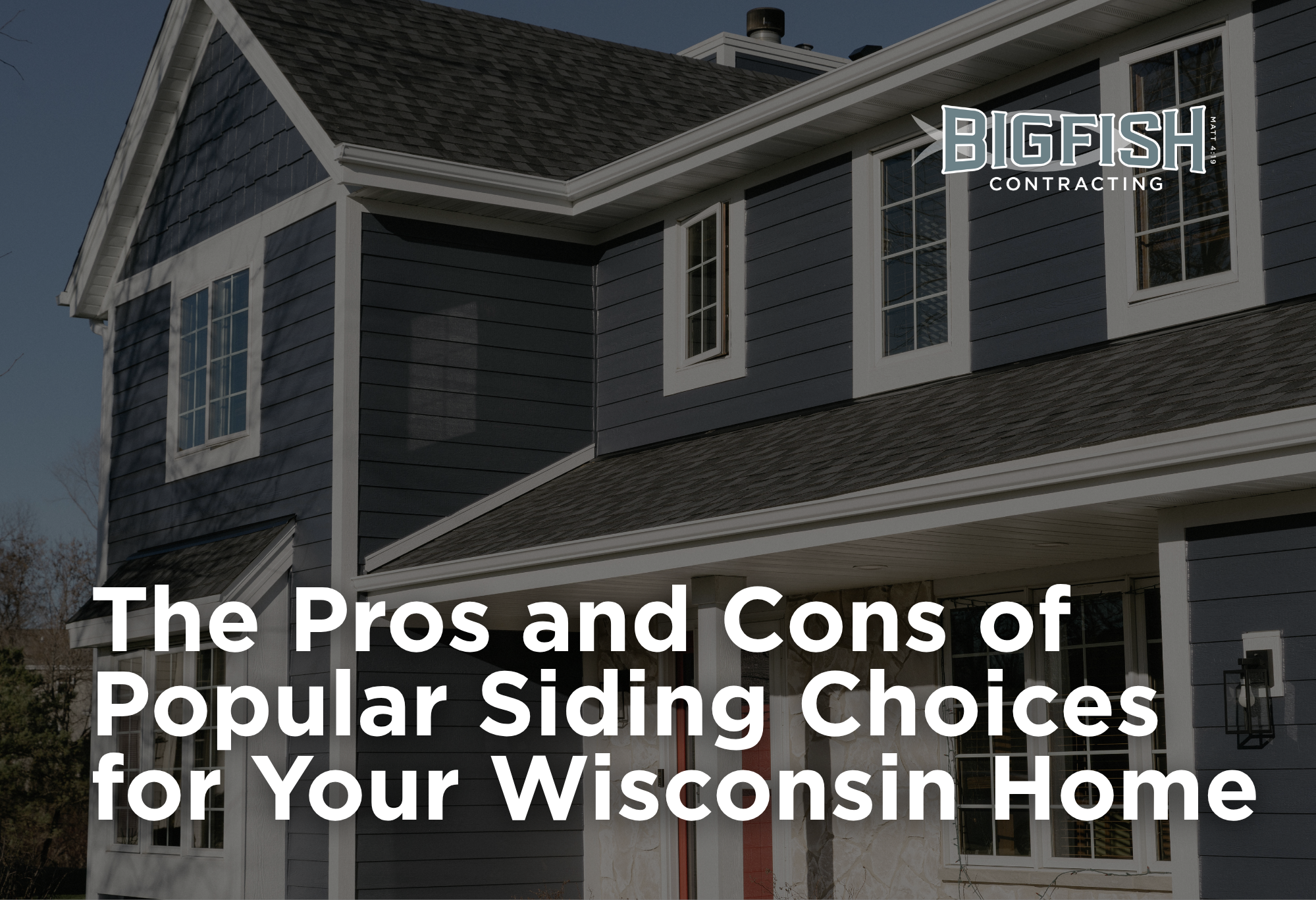
Siding is one of the first things people will notice about your house. New, quality siding can completely transform your home’s look, adding to its value and curb appeal.
Beyond aesthetics, siding is also your home’s first line of defense against weathering and other impacts. The right siding can add value and enhance your home’s appearance while saving you money by protecting and insulating your home, lowering maintenance and air conditioning bills.
Many factors go into choosing siding, including appearance, cost, environmental friendliness, durability, lifespan, and ease of installation. Of these six factors, the three most important to consider are appearance, cost, and durability. As a homeowner, you want siding that looks the way you want, costs what you want, and can stand up to your area’s weather.
The most popular siding materials vary by region because of predominant housing styles, local contractors, and typical climates. Though many siding types are available everywhere, the most popular in Midwest residential buildings are wood, engineered wood, vinyl, metal, and cement fiber.
Explore the pros and cons of the most popular siding options for Wisconsin homeowners.
Wood Siding
Wood siding is one of the oldest siding types and is most commonly made from pine, spruce, fir, cedar, or redwood. It can come in the form of planks, clapboards, shakes, and shingles, or just solid wood laid on your home.

Pros
Wood’s natural beauty can’t be matched, boosting both your home’s value and its aesthetics. Wood is easy to shape to your home and install, and it can last for the life of your home as long as it receives ongoing maintenance. Wood is also an environmentally smart choice because it’s made naturally and has a low carbon impact.
Cons
Wood siding is declining steadily for several reasons. It’s the most expensive of these five options, averaging $5-15 per square foot, and the frequent maintenance required adds to the cost. Regular painting, caulking, damage repairs, and occasional replacements are necessary to maintain wood quality. Wood is also flammable and prone to damage by rot, birds, insects, warping, splitting, and weathering.
Learn more about wood siding.
Vinyl Siding
Vinyl is the most popular siding in the US because of its versatility and low cost. Most residential homes carry this hard plastic-like material, and from afar, it can easily be mistaken for real wood.

Pros
Vinyl siding is the least expensive option, with installation averaging $4-12 per square foot. The material is lightweight and the installation process is quick and easy, further reducing the price due to low labor costs. It’s versatile, with countless color and style choices, with upgrades and new choices introduced frequently. The material is moderate in lifespan but requires little maintenance. Because the entire panel is the same color and material, nicks and scratches don’t show as easily as on other sidings, and it will never need painting.
Cons
Vinyl doesn’t have quite the same beautiful look as more expensive siding. Though some homeowners claim it can look just as appealing as wood or stone, most recognize that vinyl will never quite match them.
Vinyl can also fade over time or crack or dent from impact or extreme cold, especially if the siding isn’t installed properly or is a lower-quality brand. Vinyl also isn’t a very “green” product because the polyvinyl chloride in it can sit in landfills for decades. However, some vinyl manufacturers recycle their products, which can minimize the impact.
Learn more about vinyl siding.
Metal Siding
Metal siding is primarily made from steel or aluminum. Each metal has benefits and drawbacks, but both are becoming less popular for residential homes. Aluminum is the cheaper option, averaging about $6-10 per square foot. Steel averages about $7-16 per square foot.

Pros
Metal siding is strong and has a very long lifespan. The material is practically maintenance-free and is very durable against weather, moisture, mold, and insects. It is an environmentally friendly choice because the materials are most often made from recycled metals and can be recycled again.
Cons
Metal siding is another option that may not match the aesthetics a homeowner is typically looking for. Aluminum offers no room for trim details and doesn’t hold color well. Steel doesn’t have those problems, but it can rust. Steel is also heavy and expensive to buy and install, and the installation process is time-consuming. Aluminum installation is less expensive and faster. Both metals are also prone to denting and noise due to rain and hail.
Learn more about metal siding.
Fiber Cement Siding
Fiber cement is a newer siding made from a mixture of cement, sand, and cellulose, cured with pressurized steam. Big Fish Contracting exclusively uses James Hardie fiber cement siding. Hear more about why we love James Hardie fiber cement so much in the Under Construction: Renovating A Home, Redeeming An Industry podcast.
James Hardie is the go-to fiber cement choice for contractors and homeowners, so much so that 1 in 4 homes built uses James Hardie. When you pair a quality product with a team that cares about doing the job right, you get a home exterior built to last.

Pros
Fiber cement comes in an array of beautiful textures and styles and can be intricately designed, including to emulate a natural wood grain or stucco. Fiber cement comes with a factory paint finish, which adds to the quality and lets the siding come in any color. It is virtually maintenance-free and nonflammable, and it is more durable than wood because it resists rot, insects, water, humidity changes, and temperature fluctuations. Fiber cement is a mid-range option, averaging $6-15 per square foot, and has a long lifespan of around fifty years.
Cons
Fiber cement is very heavy and difficult to install, so for installation it’s critical to work with a contractor familiar with fiber cement. The material is brittle, leaving little room for installation error. While generally low-maintenance, it does need to be repainted every 10-15 years to maintain water resistance.
Learn more about James Hardie fiber cement siding.
Engineered Wood Siding
Engineered wood combines the attractive look of wood with the low cost of vinyl and low upkeep of metal or fiber cement. This siding is made of wood fibers and resins, treated with heat and steam, and pressed into panels.

Pros
Engineered wood is the most economical choice for siding material, averaging $7-12 per square foot installed, and it is lightweight and easy to install. Engineered wood is very durable, with the ability to stand up to extreme weather, insects, mold, and impact and a lifespan of around thirty years. The process by which the wood is created makes it more stable and less resistant to warping and damage than natural wood.
The material is beautiful, with a smooth, perfected look, and it comes in an array of styles and textures. Engineered wood also comes prefinished, which allows any paint color and ensures higher quality than wood without a factory-quality finish. It is also eco-friendly, as it is not processed with harmful chemicals and is made from recycled wood.
Cons
Some people find engineered wood “too perfect” because they prefer the authentic imperfections of natural wood. Early versions of engineered wood had moisture issues, but manufacturers have since addressed them and now offer protective warranties.
Learn more about engineered wood siding.
Our Recommendation
Whichever siding you choose, Big Fish Contracting recommends a certified contractor for your siding installation. Certified contractors use the best-made siding materials and provide high-quality installation, ensuring your investment withstands the test of time.
For siding material, Big Fish recommends engineered wood. Our preferred brand is LP SmartSide, manufactured locally in Tomahawk, Wisconsin. LP also makes trim, so your entire home exterior can match.
We believe LP SmartSide is the best engineered wood brand available, which is why Big Fish Contracting is a platinum remodeler with LP SmartSide.
For more information or assistance in deciding what siding is best for your home, get in touch with our team of siding experts.